

Roots of Resilience: Growing Habitat, Community, and Hope

The roots of a forest are rarely seen, but they are what give it strength.
Beneath the soil, roots stabilise the ground, share nutrients, store water, and support life through changing seasons. In many ways, resilient communities work the same way — connected through shared effort, mutual support, and care for the future.
That idea sits at the heart of Esperance Wildlife Sanctuary’s Roots of Resilience Project.
Supported through funding provided by CBH and the Rotary Club of Esperance Bay, this project is about far more than simply growing native seedlings. It is about restoring habitat, building environmental knowledge, creating opportunities for young people, and strengthening community connections through hands-on conservation.

Across the Esperance region, native vegetation has faced decades of clearing, degradation, drought, and bushfire impacts. Rebuilding those ecosystems takes time, persistence, and community involvement. The Roots of Resilience Project has been designed to help meet that challenge by expanding Esperance Wildlife Sanctuary’s ability to grow native seedlings for habitat restoration and revegetation projects.
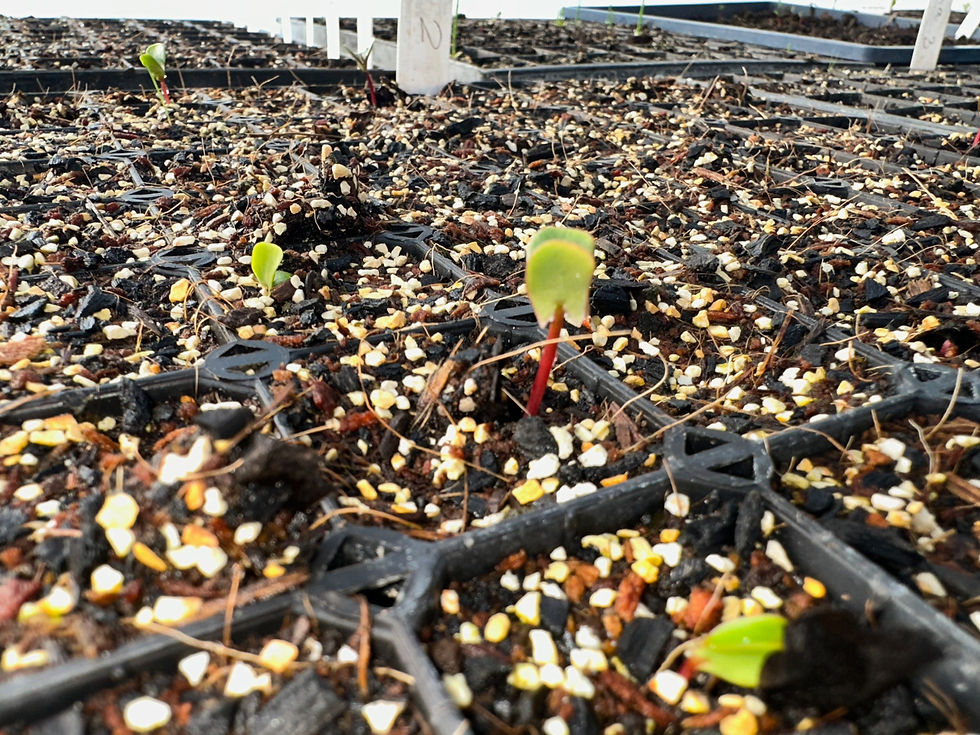
At the heart of the project is the vision for a larger, purpose-built native seedling greenhouse and growing space. Fund raising is underway for this project.
Currently, the Sanctuary’s seedling nursery operates with limited space and infrastructure, restricting how many plants can be propagated and grown each season. With improved greenhouse facilities and irrigation systems, the Sanctuary will be able to significantly expand production of native plants while also creating a comfortable teaching space for workshops, schools, volunteers, and community groups.
Importantly, this project is not just about plants — it is about people.
One of the most inspiring parts of the Sanctuary’s revegetation work has been seeing young people actively participate in growing habitat for the future.
For example, a community seedling project with Scaddan Primary School in 2025 gave students the opportunity to gain hands-on experience germinating seeds and growing native Hakeas for the 10th Anniversary of the Bushfires event.

Projects like these help children understand where native plants come from, why biodiversity matters, and how small actions can contribute to long-term environmental recovery.
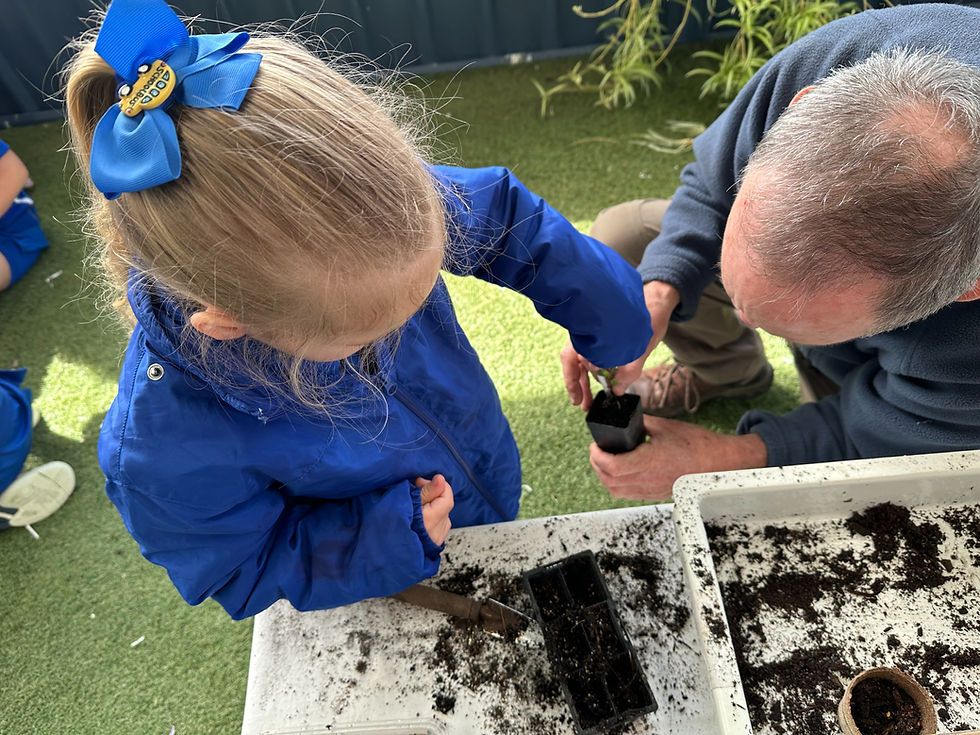
The Roots of Resilience Project will build on these experiences by creating more opportunities for schools, volunteers, community organisations, and cultural groups to become involved in conservation through practical learning and restoration activities.

Esperance Wildlife Sanctuary is also deeply grateful for the support and collaboration of Esperance Tjaltjraak Native Title Aboriginal Corporation (ETNTAC), as we also recognise the importance of caring for Country, restoring native habitat, and creating hands-on learning opportunities for young people and rangers. Colin and Lori-Ann regularly host the ETNTAC Junior Rangers to undertake nature-based activities at the sanctuary.

Environmental restoration is long-term work.
A seed planted today may take years to become shelter for wildlife, shade for the landscape, or part of a functioning ecosystem. But every tray of seedlings, every volunteer hour, every child learning how to grow native plants, and every community partnership contributes to something much bigger.
Resilience does not appear overnight.
It grows slowly, quietly, and collectively — like roots beneath the soil.
Thanks to the support of CBH and Rotary Club of Esperance Bay, the Roots of Resilience Project will help Esperance Wildlife Sanctuary continue restoring habitat, growing knowledge, and strengthening connections between community and conservation for years to come.


Comments